Post-Hiking Korean Recovery: Leg & Foot Focus in Mountain Areas
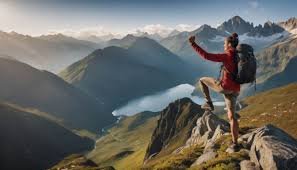
Korea is famous for its scenic mountains, and hiking is a favorite pastime for locals and tourists alike. But after a long trek, the body—especially legs and feet—needs proper recovery. Koreans have developed specific wellness practices that focus on post-hiking recovery, helping reduce soreness, improve circulation, and speed up muscle recovery.visit for more details 마사지
Understanding Post-Hiking Stress on Legs and Feet
Long hikes can strain muscles, ligaments, and joints, particularly in the:
-
Calves and hamstrings due to prolonged uphill and downhill walking
-
Feet and ankles from uneven terrain
-
Knees and hips from repetitive impact
Without proper recovery, soreness can linger, making the next hike or daily activity uncomfortable.
Korean Recovery Practices
In Korea, recovery goes beyond simple rest. Locals combine traditional massage techniques, stretching, and foot-focused wellness routines:
-
Leg and Foot Massage: Many wellness centers and jjimjilbangs provide leg and foot massages targeting pressure points to:
-
Reduce muscle tension
-
Improve blood flow
-
Alleviate swelling from long hikes
-
-
Warm Foot Baths: Soaking feet in warm water with minerals helps relax muscles, ease soreness, and promote circulation.
-
Stretching and Mobility Exercises: Simple stretches focusing on calves, hamstrings, and ankles prevent stiffness and speed recovery.
Popular Post-Hiking Spots
Many Korean mountain areas have wellness centers near popular trails where hikers can recover:
-
Jjimjilbang (Korean bathhouses): Provide hot baths, saunas, and massage services for tired muscles.
-
Specialized foot massage shops: Focus on acupressure and reflexology, promoting faster leg recovery.
-
Local wellness cafés and spas: Often offer mineral baths and stretching areas for post-hike rejuvenation.
For hikers in Seoul or nearby regions, platforms like Makangs Nearby Massage Locations can help find trusted spots that specialize in leg and foot recovery.
DIY Recovery at Home
Even if you’re not near a spa, you can apply Korean-inspired recovery techniques at home:
-
Soak feet in warm water for 15–20 minutes after a hike.
-
Gently massage calves, ankles, and feet to improve circulation.
-
Use foam rollers for hamstrings and calf muscles.
-
Perform light stretching to maintain mobility and prevent stiffness.
These simple practices mimic professional recovery techniques and help speed up healing.
Benefits of Leg & Foot-Focused Recovery
Incorporating these techniques into your routine after a hike can:
-
Reduce muscle soreness and fatigue
-
Improve circulation for faster healing
-
Enhance overall mobility, preventing injury
-
Promote relaxation, allowing the mind to recover as well
By focusing on legs and feet, hikers can enjoy more frequent and longer hikes without overstraining the body.
Final Thoughts
Post-hiking recovery is essential for maintaining a healthy and active lifestyle in Korea’s mountainous regions. By combining leg and foot massages, warm baths, stretching, and targeted mobility exercises, hikers can reduce soreness, prevent injury, and enjoy the full benefits of the trails. Whether at a local jjimjilbang or at home, these practices ensure your legs and feet are ready for the next adventure.